

 ISSN: 1323-8930
Volume 74, Issue 4 (October 2025)
Review Series: Artificial Intelligence, Big Data and Allergy
These five reviews capture the expanding innovation emerging at the intersection of AI, big data, and allergy/immunology research. From clinical prediction to molecular design, experimental optimization, multi-omics integration, and single-cell dynamics, they show how computational tools are reshaping our understanding and management of allergic diseases.
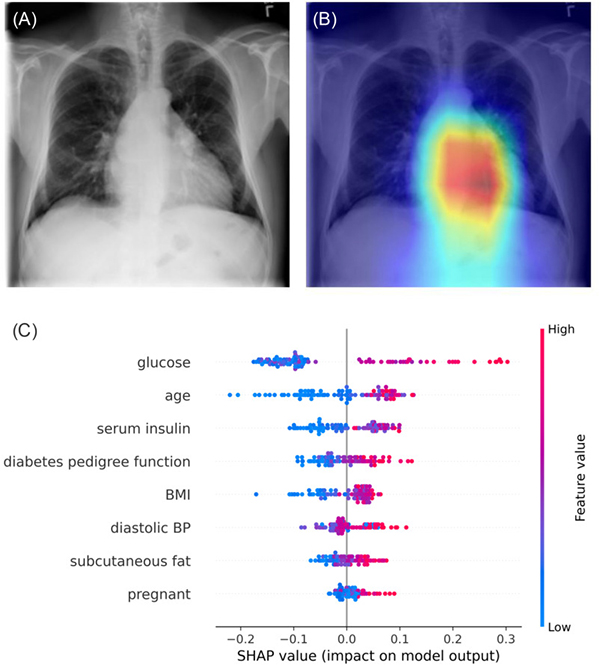
Fuse et al. provide a broad overview of AI applications in clinical data analysis, covering not only established machine learning approaches but also new paradigms such as large language models, multimodal foundation models, and digital twins.
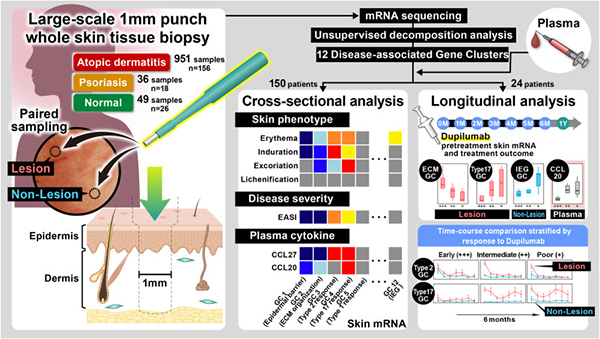
Fukushima-Nomura et al. examine the role of large-scale clinical omics in redefining disease mechanisms and advancing precision medicine.
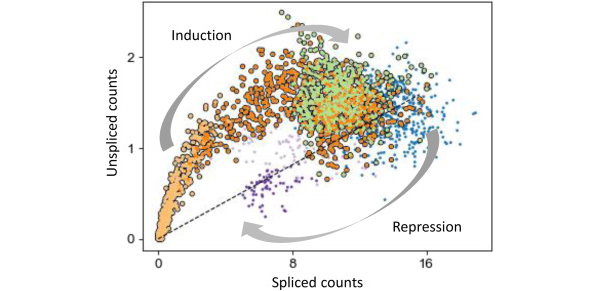
Shimamura reviews RNA velocity and single-cell dynamics modeling, which are now representative approaches in single-cell transcriptomic analysis. By quantifying the balance of unspliced and spliced transcripts, these methods estimate the direction and rate of gene expression changes.
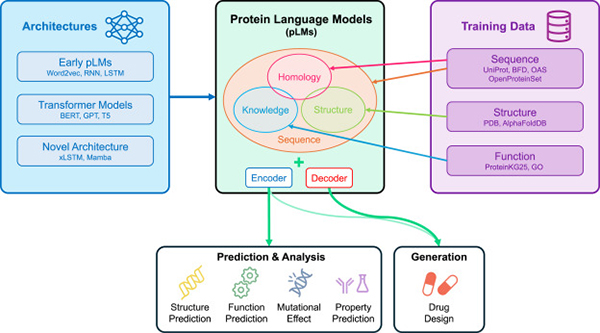
Furui et al. introduce the rapidly evolving field of protein language models. By treating amino acid sequences as a “biological language,” these models enable predictions of protein structure and function as well as novel antibody design.
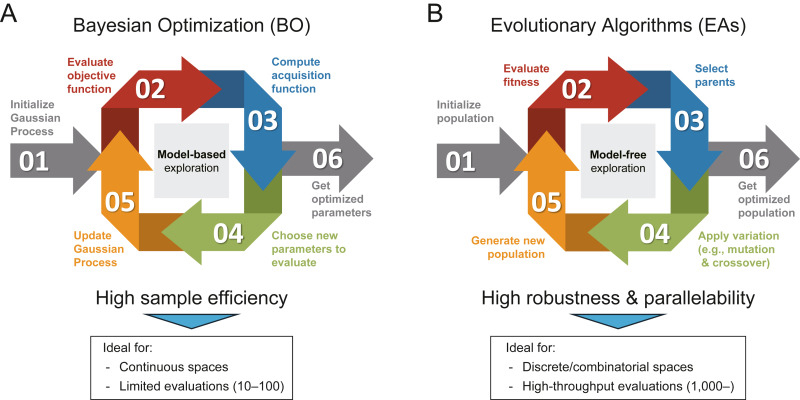
Kawabata et al. focus on black-box optimization, which strategically guides exploratory experiments when mechanistic understanding is incomplete. Representative methods such as Bayesian optimization and evolutionary algorithms provide powerful frameworks for efficiently exploring experimental conditions in situations with high noise and limited sample sizes. They describe practical applications that include antibody engineering, cytokine cocktail design, and clinical dose optimization, all illustrated with concrete examples.
